
Program
Climate Justice &
Displacement
Advancing rights-based responses to the climate crisis for frontline communities most impacted by rising seas and extractive harm.
Climate change is already displacing communities on a massive scale. An estimated 21.5 million people are forcibly displaced by weather-related events each year.
For low-lying Pacific Island nations, rising seas threaten not just homes, but entire ways of life, culture, and identity. At the same time, extractive industries are compounding climate vulnerability by stripping away the natural defenses and habitats, such as forests, mangroves, and reefs, that communities depend on for survival.
ICAAD works alongside frontline communities to build the legal frameworks, advocacy tools, and community power needed to confront these intersecting crises.
Protecting Climate-Displaced People:
The Right to Life with Dignity
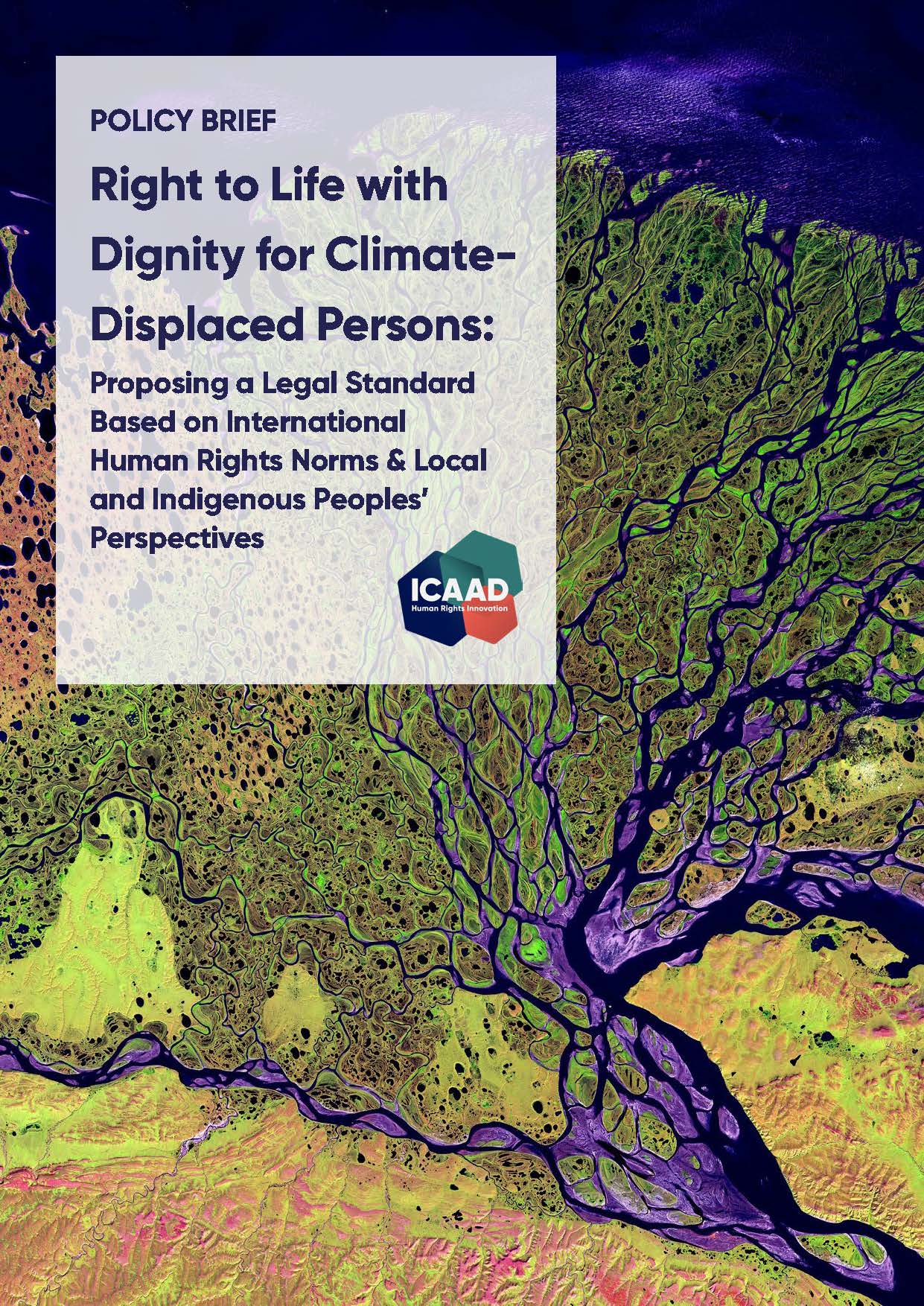
Pacific Island nations have contributed just 0.03% of global emissions, yet they exist at the frontline of devastating climate impacts. Currently, there is no international framework that safeguards the rights of people forced to move due to climate change.
ICAAD’s Right to Life with Dignity (RTLWD) project is using international law to close this gap by establishing a legal standard for what “dignity” means in the context of displacement.
Regional Collaboration
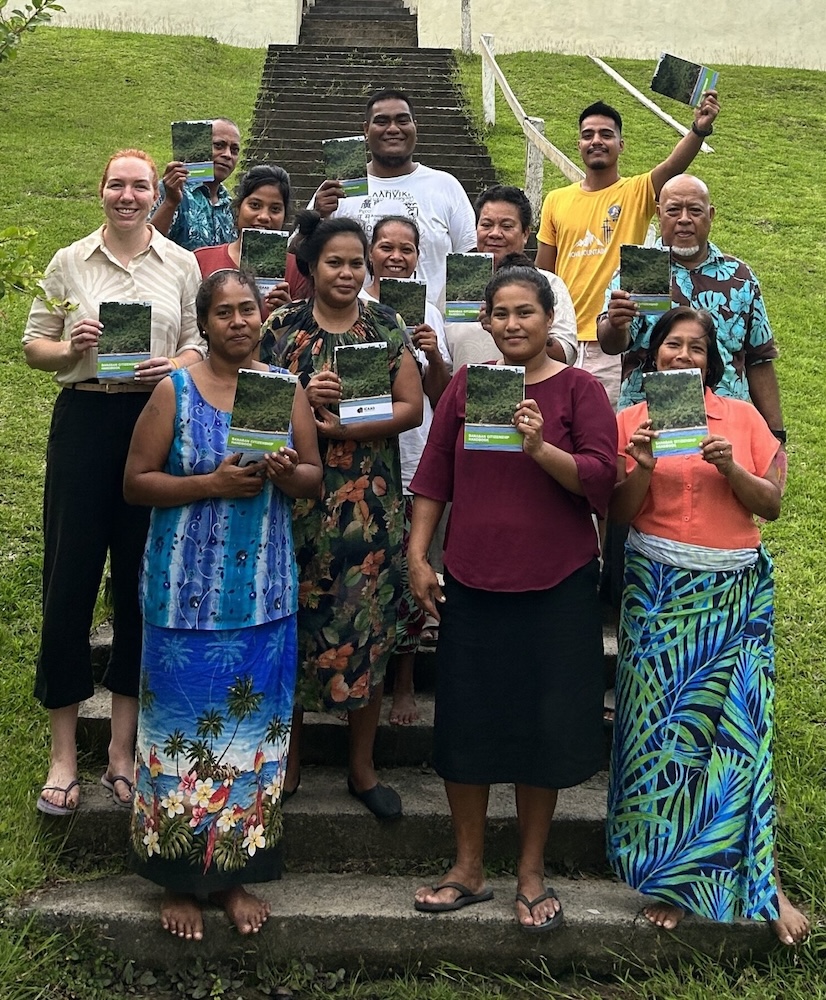
ICAAD participated in the drafting of the landmark Kioa Climate Emergency Declaration, featuring the most pressing climate demands for Pacific communities—including just, dignified, and safe movement.
The Banaban People:
Lessons in Resilience
The forced displacement of the Banaban people from Ocean Island in 1945 by the British colonial powers resulting from phosphate mining is one of the Pacific’s most powerful stories of displacement. Their experience grounds ICAAD’s understanding of what happens when people are relocated without adequate legal protections.
Mining & Community Power in the Solomon Islands
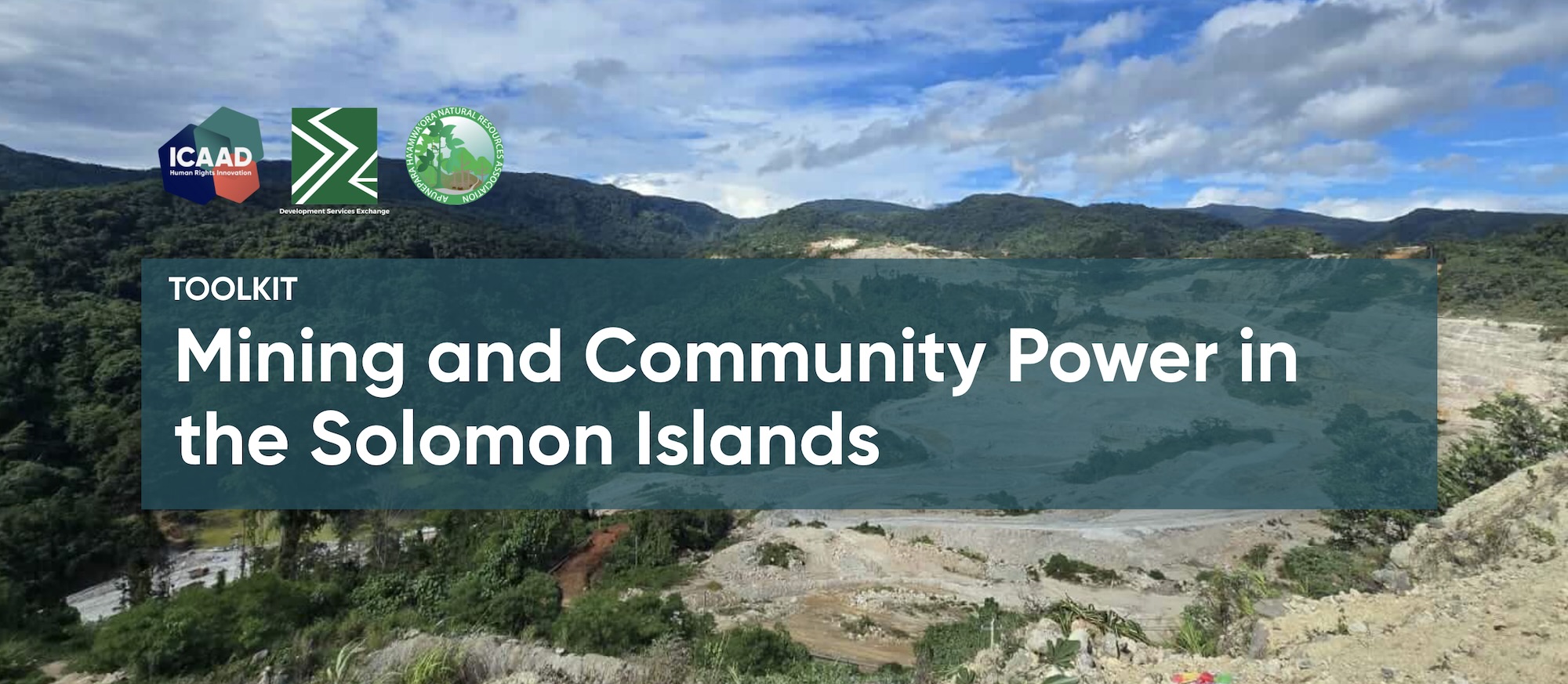
Logging and mining destroy the natural defenses that protect communities from flooding and storm surges. Most traditional landowners in the Solomon Islands report being excluded from decisions about extractive operations on their own land.
Power = Influence – Risk
ICAAD’s framework recognizes that when communities are divided, companies claim social license they don’t have. When communities speak with one voice, that changes.
Case Studies from the Frontlines
Wagina Island
Demanding better legal process proved as powerful as opposing the project entirely.
Process vs Opposition
Marasa
Strategic documentation of legal violations forced a logging company to cease activities.
Systemic Documentation
Rennell Island
Strategic escalation and unity led to the cancellation of a damaging mining lease.
Strategic Escalation
Hograno, Isabel
Women leaders organized peaceful protests to demand legal accountability for burial sites.
Indigenous Women’s Leadership
Challenging the System
Advocacy at the Global Level
From coordinating public dialogue on the Solomon Islands Mineral Resources Bill 2025 to submitting joint reports to the UN Universal Periodic Review, we work to challenge the regulatory frameworks that enable harm.
Partners & Collaborators
Banaba Human Rights Defenders Network
Community defenders advocating against displacement and dispossession
Development Services Exchange (DSE)
Solomon Islands’ national umbrella body for civil societyAdvocacy and training
Clifford Chance LLP
Global law firm providing pro bono legal support
Earth Rising Foundation
Grassroots climate justice funder amplifying frontline voices
King & Wood Mallesons
International law firm, pro bono Asia-Pacific partner
Apunepara Ha’amwa’ora Natural Resources Association
Community-led natural resources advocacy in the Solomons
Get Involved
Whether you’re a funder, legal professional, or community organizer—there is a role for you in the fight for climate justice.
Related Work & Further Reading
Database
Marshall Islands Nuclear Tests
Database of declassified documents of U.S. testing of nuclear weapons
INTERNATIONAL ADVOCACY
NZ Disability discrimination
NZ immigration discriminates on disability grounds
Analysis
Mineral Resources Bill
Analysis of 2025 legislation
Research
Space Treaties
Lessons for displacement law