Part 3 of the Transforming Advocacy Through Data Literacy Series
By Jyoti Diwan
After uncovering the chaos of unstructured data in part 1 and walking through the transformation of that data into actionable insights in part 2, we now explore how structured data empowers organizations to better understand their services, improve planning, and inspire broader impact.
The Power of Structured Data in Action
With a structured dataset in place, the nonprofit was positioned to more easily track, analyze, and report on their assistance efforts, laying the foundation for streamlined operations and data-informed advocacy.
For example, answering questions like, “How many wheelchairs were distributed last year, and to whom?” could be done in minutes, not hours. Reports would allow them to quickly view:
- Types of mobility aids provided (wheelchairs, walkers, canes)
- Recipient demographics (age, gender, disability type)
- Geographic distribution (urban versus rural needs)
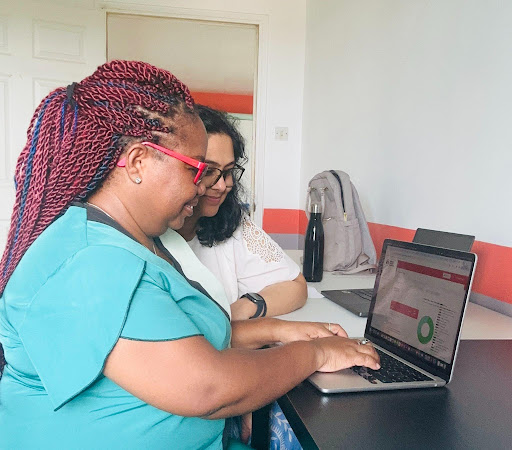
As one team member shared:
“It’s making our lives much easier, and also it gives us more space to do more things.”
Together, these capabilities offered a way to:
- Quantify the number of clients served and types of assistance provided.
- Track quantities of equipment distributed, referrals, and trainings
- Prepare evidence-based funding requests
This shift positioned the organization to better plan, advocate, and reflect on service delivery, setting the stage for more strategic decision-making in the future.
Advocacy Elevated
With foundational data systems in place, the nonprofit is better positioned to pursue the following:
- Develop Evidence-Based Proposals: Utilize clear, data-driven evidence of unmet needs and program successes to attract increased funding and support from donors and stakeholders.
- Influence Policy: Leverage data on frequent requests, such as personal care supplies for the elderly, to effectively advocate for enhanced government funding and policy improvements.
- Launch Public Awareness Campaigns: Use impactful visualizations, like maps of aid distribution, to raise public awareness, attract new donors, and recruit volunteers.
- Foster Regional Collaboration: Share structured data with other nonprofits to build strong partnerships and coordinate efforts, amplifying collective impact across the region.
These use cases represent a future where structured data supports stronger advocacy and deeper community partnerships.
Looking Ahead: Regional Potential
This journey has revealed the transformative potential of data literacy, opening doors to new possibilities that reach far beyond a single organization. As we look to the future, we aspire to:
- Inspire Regional Change: Encourage nonprofits across the Caribbean to adopt structured data practices for a more unified and effective regional approach.
- Strengthen Government Partnerships: Collaborate with local authorities to explore how structured data can improve social service delivery.
- Harness Predictive Analytics: Invest in developing and piloting predictive tools that can help anticipate future community needs, enabling smarter resource allocation and more proactive support.
- Build a Data-Sharing Ecosystem: Create a collaborative network where nonprofits and governments securely share data and best practices. This helps us amplify impact while safeguarding privacy.
These aspirations reflect a commitment to helping more organizations unlock the potential of their data while keeping ethical principles at the center.
Lessons for Organizations and Governments
Whether you’re a nonprofit or a government agency, the journey from chaos to clarity offers valuable lessons:
- Start Small: Begin with a single dataset or program to refine your approach.
- Embrace Training: Equip your team with the skills to collect, clean, manage, and interpret data.
- Prioritize Data Quality: Build systems for routine data review.
- Invest in Visualization: Use tools like dashboards and maps to tell compelling stories.
- Safeguard Privacy: Implement strict protocols to protect sensitive information.
- Collaborate Where Possible: Look for aligned organizations to partner with and learn from.

Ethical Data Use: A Cornerstone of Advocacy
As data becomes a cornerstone of advocacy, ethical considerations must remain at the forefront:
- Privacy Protections: Ensure that beneficiary information is securely stored and accessed.
- Informed Consent: Communicate clearly with beneficiaries about how their data will be used and get consent where appropriate.
- Equity and Inclusivity: Be aware of whose voices are represented and whose are missing in your data.
- Responsibility: Ensure data is used to support, not extract from, the communities you serve.
These principles reflect ICAAD’s broader commitment to rights-based data practices and to ensuring communities retain agency over how their data is used.
Unlocking the Power of Data
Curious about how structured data could support your advocacy goals?
We’re here to help. If your organization is working with unstructured data and wants to explore a tailored, low-cost solution, contact us to learn more about how we can support your journey.
Bridging Stories to Change
Data isn’t just about numbers. It’s about telling the stories that inspire action and empower communities. Whether it’s distributing mobility aids in rural Grenada or advocating for policy changes on a larger scale, structured data is the bridge between understanding needs and driving meaningful change.